Fanfiction has come a long way from being something you secretly read at 2 a.m. with twenty browser tabs open “for research.” Today, fan creativity is not just a side hobby – it’s a powerful cultural force shaping books, media, and even the publishing industry itself.
What once lived in niche online corners has grown into a space where writers sharpen their skills, build communities, and sometimes even turn their passion projects into fully published novels.
So how did we get here? And why is fan creativity stronger than ever?
Fanfiction: The Ultimate Love Letter to Stories
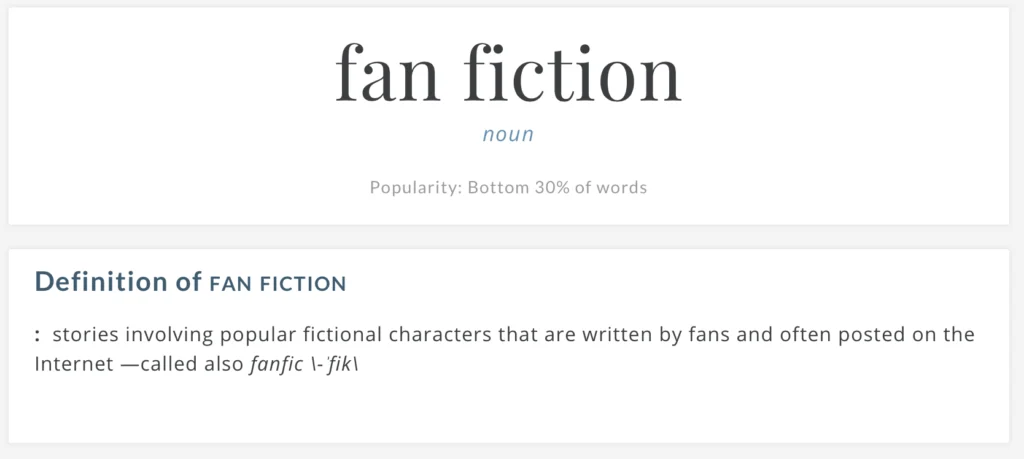
Fanfiction is, at its core, storytelling powered by enthusiasm. Fans take the worlds they love – anime series, video games, comics, sci-fi franchises – and ask the magical question:
“What if…?”
What if the villain got redeemed?
What if the side character had their own arc?
What if the ending didn’t emotionally destroy us?
Fanfiction allows writers to explore alternate paths, deepen relationships, or simply give characters the coffee shop AU they deserve.
It’s not about replacing the original story. It’s about expanding it, remixing it, and celebrating it in the most creative way possible.
The Internet Made Fan Creativity Impossible to Ignore
Before the digital age, fanfiction existed in small zines passed between dedicated fans. Now, platforms like Archive of Our Own, Wattpad, and Tumblr have made fan writing global and immediate.
Millions of readers can discover stories instantly, leaving comments, fanart, memes, and emotional reactions in real time.
This constant feedback loop creates something unique: fanfiction isn’t just writing – it’s community storytelling.
Skills Built in Fandom Spaces
One of the biggest misconceptions about fanfiction is that it’s “just practice” or “not real writing.”
But fandom spaces have produced some incredibly skilled authors, because fanfiction teaches writers how to:
- Write consistently
- Develop character voices
- Experiment with genre
- Respond to reader engagement
- Build long-form narratives
It’s like a creative training ground, except your classmates are thousands of passionate readers screaming in the comments: “UPDATE PLEASE.”
Fanfiction writers often gain experience faster than traditional beginners because they’re writing for an active audience from day one.
When Fanfiction Becomes a Novel
Here’s where things get especially interesting: some fanfiction doesn’t stay fanfiction.
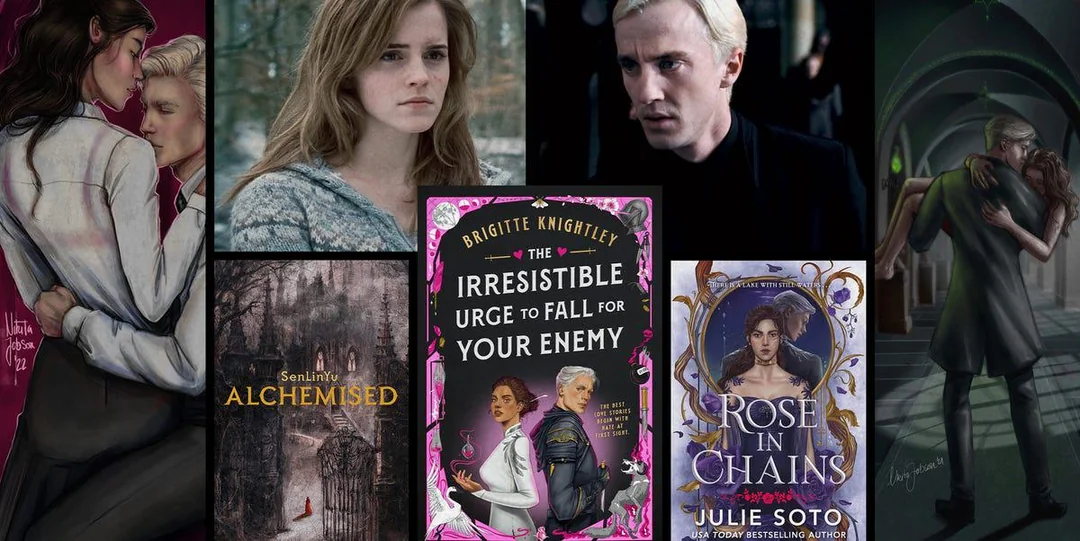
Over the past decade, more writers have adapted their fan-inspired stories into original novels by filing off the serial numbers – changing character names, settings, and lore – while keeping the emotional core intact.
The most famous example is Fifty Shades of Grey, which began as Twilight fanfiction before becoming a publishing phenomenon.
Since then, many authors have followed similar paths, proving that fan creativity can absolutely translate into mainstream success.

Why Publishers Are Paying Attention
Publishers have noticed that fanfiction communities create built-in audiences. A writer who already has thousands of loyal readers online has something rare: proof that people care about their stories.
In a way, fandom has become an alternative pipeline into publishing – one powered by readers, not gatekeepers.
Fan Creativity Goes Beyond Writing
Fanfiction is only one part of the creative explosion. Geek culture fandoms thrive because fans create constantly:
- Fanart
- Cosplay
- Animations
- Music remixes
- Game mods
- Alternate universe comics
It’s like every fandom is its own mini creative studio.
And honestly, sometimes the fan trailer hits harder than the official one.
This culture of remixing and reimagining has made fandom one of the most artistically active spaces on the internet.
The Emotional Power of Fan Stories
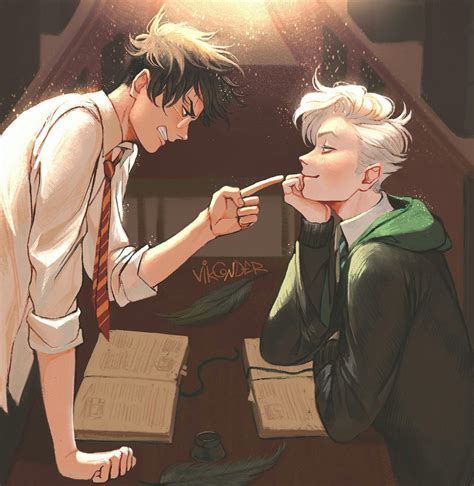
Fanfiction often explores things mainstream media avoids.
Fans write about:
- Queer representation
- Mental health
- Cultural identity
- Soft character moments
- Relationships that never became canon
Because fanfiction isn’t bound by corporate decisions, it becomes a space where people tell stories they wish existed.
It’s not surprising that so many readers find comfort there. Sometimes fanfiction is less about plot and more about feeling seen.
Challenges and Misunderstandings
Of course, fan creativity isn’t without complications.
There are ongoing debates about:
- Copyright and ownership
- Monetization of fan works
- Stigma around fanfiction
- Online harassment in fandom spaces
Some creators embrace fan communities, while others are more cautious.
But overall, fanfiction has become more widely accepted, especially as more published authors openly acknowledge their fandom roots.
Fanfiction as the Heart of Geek Culture
In anime, manga, gaming, and geek culture, fandom is not passive. Fans don’t just consume stories – they interact with them.
Fanfiction is one of the clearest examples of this: a way for audiences to become creators.
It reminds us that stories don’t end when the credits roll or the final chapter drops.
They continue in fan art, fan theories, fan novels, and endless “what if” scenarios.
Final Thoughts: Creativity Will Always Find a Way
From fanfiction forums to bookstore shelves, fan creativity has proven its power.
It’s passionate, collaborative, sometimes chaotic, and deeply human.
And whether a story stays online as a beloved fic or evolves into a published novel, it all begins with the same spark:
A fan loved a world so much they couldn’t stop writing.
So the next time someone dismisses fanfiction, just remember – today’s fandom writer might be tomorrow’s bestselling author.
And honestly? That’s kind of iconic.