Geek culture is built on unforgettable characters. Some heroes and villains don’t just star in popular stories — they rewrite the rules of their genres, shifting expectations and inspiring everything that comes after. Whether they come from anime, video games, comics, or sci-fi franchises, these characters left such a strong mark that entire genres had to adapt around them.
Let’s take a look at some truly iconic geek characters who didn’t just fit into their worlds — they reshaped them.
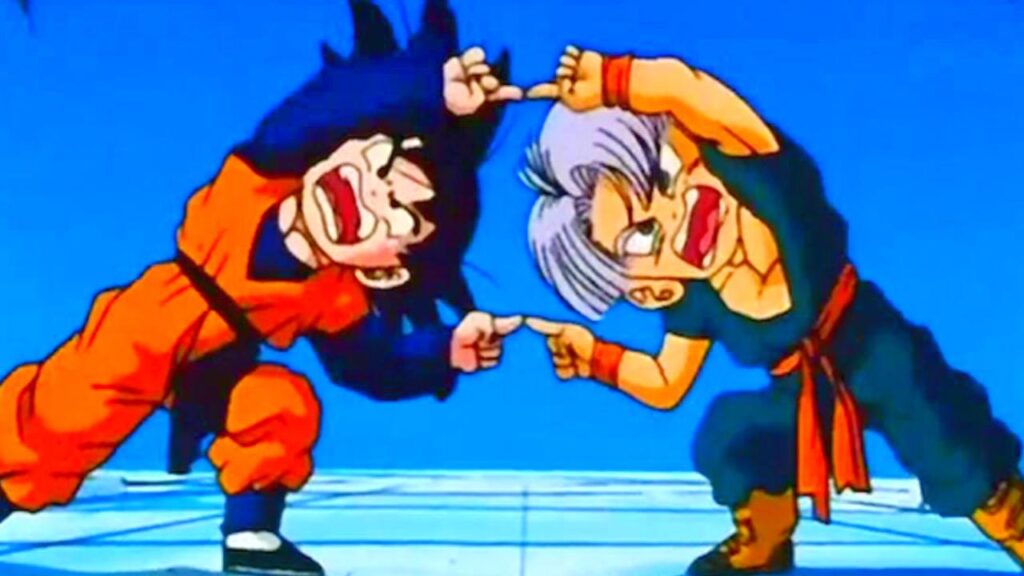
Goku (Dragon Ball) – The Blueprint for Shonen Heroes
Before Goku, action protagonists were often stoic, serious, and already powerful. Goku flipped that idea on its head. He was cheerful, naïve, food-obsessed, and always eager to learn — yet endlessly driven to become stronger.
Dragon Ball popularized the idea of power progression, training arcs, transformations, and rivals who push the hero to new limits. Nearly every modern shonen anime, from Naruto to My Hero Academia, carries Goku’s DNA in its storytelling.
Lara Croft (Tomb Raider) – Redefining Action Game Protagonists
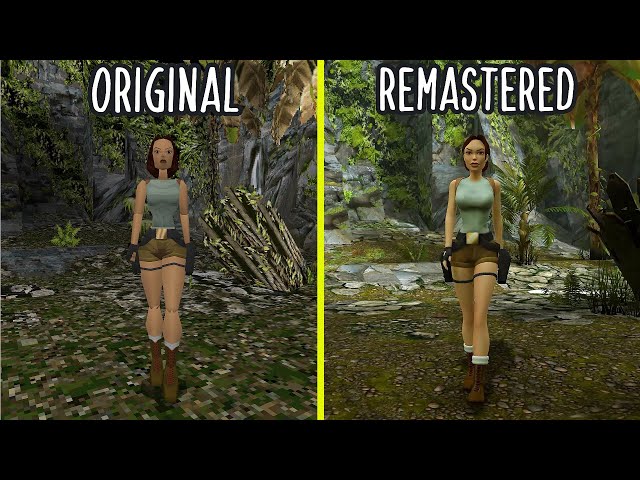
When Lara Croft debuted in the 1990s, she instantly stood out in a genre dominated by male heroes. Over time, she evolved from a polygonal action icon into a complex, capable adventurer with depth, intelligence, and vulnerability.
Lara helped redefine what a leading character in action games could be. She paved the way for stronger female protagonists in gaming, influencing titles like Horizon Zero Dawn and Uncharted’s storytelling approach.
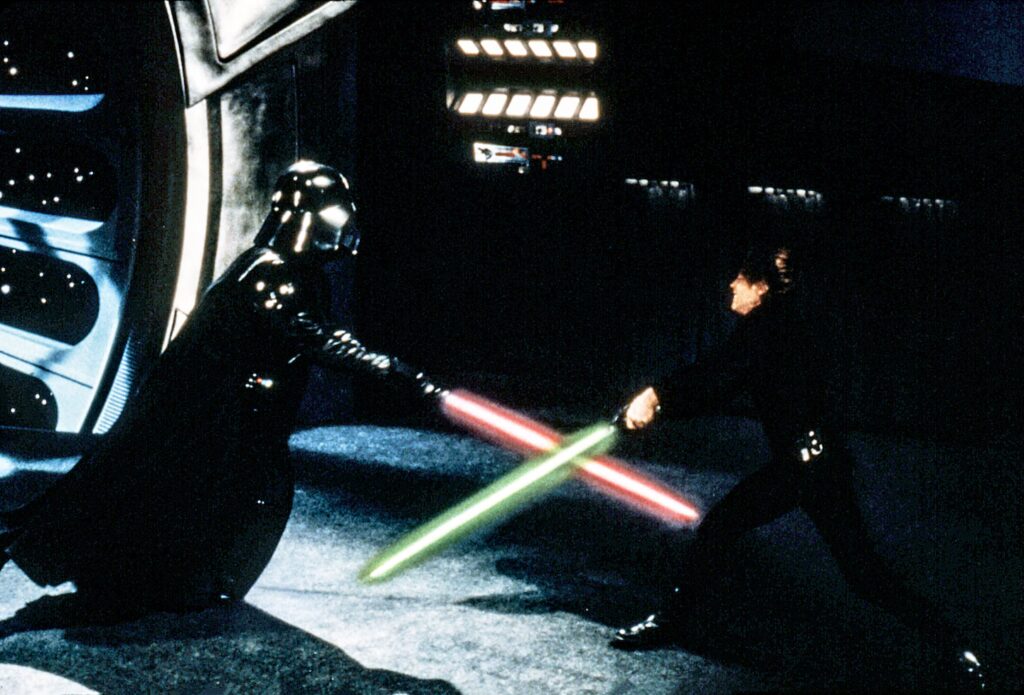
Darth Vader (Star Wars) – The Villain Who Became the Story
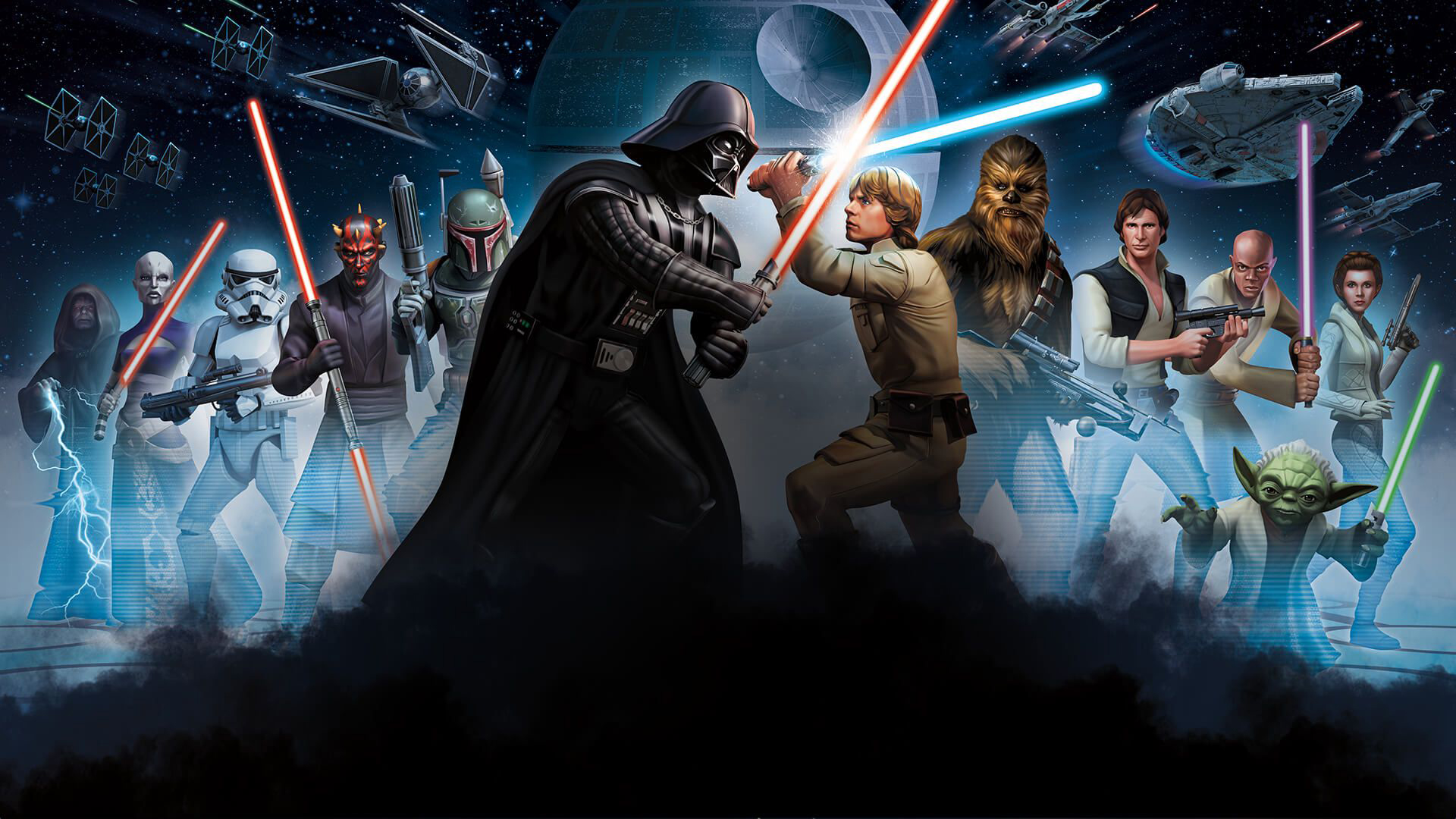
Darth Vader isn’t just one of the most recognizable villains ever — he changed how villains are written. Before him, antagonists were often purely evil forces to defeat. Vader brought tragedy, internal conflict, and emotional weight into the equation.
His journey transformed sci-fi storytelling by proving that villains could be just as compelling as heroes. Today, complex antagonists across games, anime, and films owe a huge debt to Vader’s legacy.
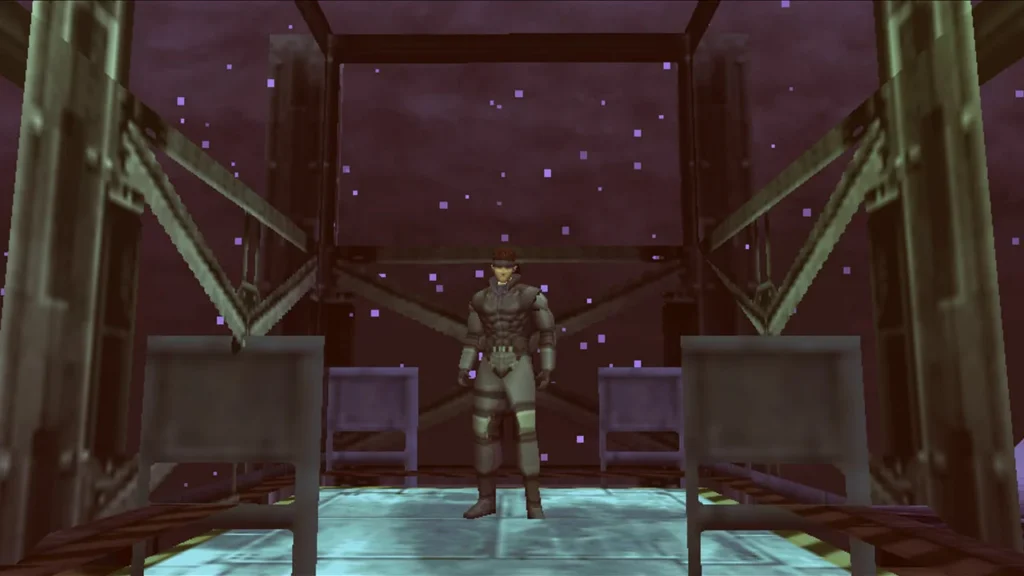
Solid Snake (Metal Gear Solid) – Making Stealth Cool
Before Metal Gear Solid, action games rewarded aggression. Solid Snake introduced a new philosophy: avoid combat when possible. His missions emphasized stealth, planning, and patience over brute force.
Beyond gameplay, Snake brought cinematic storytelling, political themes, and philosophical questions into video games. He helped elevate games as a storytelling medium, proving they could tackle serious topics without losing entertainment value.
Sailor Moon – Redefining Magical Girls
Sailor Moon transformed the magical girl genre by blending romance, friendship, comedy, and action. Usagi wasn’t perfect — she cried, panicked, and failed often — but that humanity made her relatable.
The series also emphasized team dynamics and emotional bonds, rather than solo heroism. It opened doors for future magical girl series to explore deeper emotional themes while still delivering colorful action.
Geralt of Rivia (The Witcher) – A New Kind of RPG Hero
Geralt broke away from the traditional noble fantasy hero. He’s morally gray, emotionally reserved, and often forced to choose between equally bad options. His world doesn’t reward heroism — it challenges it.
Through games and adaptations, Geralt helped redefine modern RPG protagonists, pushing narratives toward mature themes, player choice, and consequence-driven storytelling. Today’s story-heavy RPGs owe much to this approach.

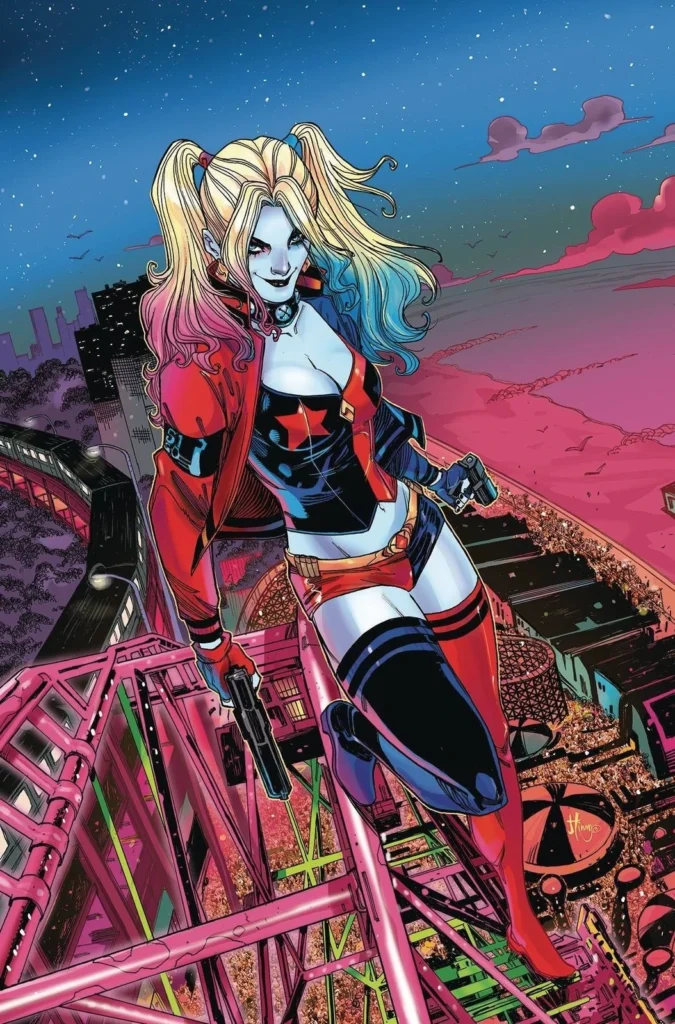
Harley Quinn – Chaos, Freedom, and Reinvention
Originally created as a side character, Harley Quinn quickly escaped the shadow of her origin. She became a symbol of independence, unpredictability, and personal reinvention.
Harley changed how comic characters evolve, proving that fan response and creative risk could redefine a character’s role entirely. Her influence can be seen in how modern franchises allow characters to grow beyond their initial archetypes.
Why These Characters Matter
What connects all these characters isn’t just popularity — it’s impact. They changed expectations, inspired creators, and expanded what their genres could be. Many of today’s heroes exist because these icons took risks first.
They remind us why geek culture is so powerful: it evolves, adapts, and grows through characters that resonate deeply with fans.
Final Thoughts
Geek culture thrives on innovation, and these characters prove that one strong idea can reshape an entire genre. Whether you met them through anime marathons, late-night gaming sessions, or movie theater premieres, their influence is everywhere.
And honestly, that’s what makes being a fan so fun — knowing that the next genre-defining legend could be just one story away.