In a March already crowded with highly anticipated releases — Resident Evil Requiem still fresh in players’ hands, Crimson Desert generating waves of discourse, and Bungie’s Marathon entering the extraction shooter scene — Monster Hunter Stories 3: Twisted Reflection quietly launched on March 13 and did something the other games could not. It made people cry about a dragon.
That might sound reductive, but it is actually the whole point. Stories 3 scored an 85 on OpenCritic, earned praise from critics for its gorgeous presentation and deeply satisfying monster-taming loop, and arrived with something no other major release this month had: an anime-style animated trailer produced by Shin-Ei Animation, the studio behind Doraemon and Crayon Shin-chan. That creative choice was not accidental. It was Capcom making a statement about exactly what kind of game this is — and exactly who it is for.
The Anime DNA Running Through the Best JRPGs
There is a reason that when fans describe monster-companion JRPGs, they reach for the language of anime. The bonds feel like anime bonds. The story beats — the betrayal revealed halfway through, the sacrificial character who you knew was coming but still wrecked you emotionally, the final battle where everyone fights together — feel like anime story beats. The art direction, the expressive character models, the way a Rathalos spreads its wings in a cutscene designed to make you feel something: all of it is drawing from the same well.
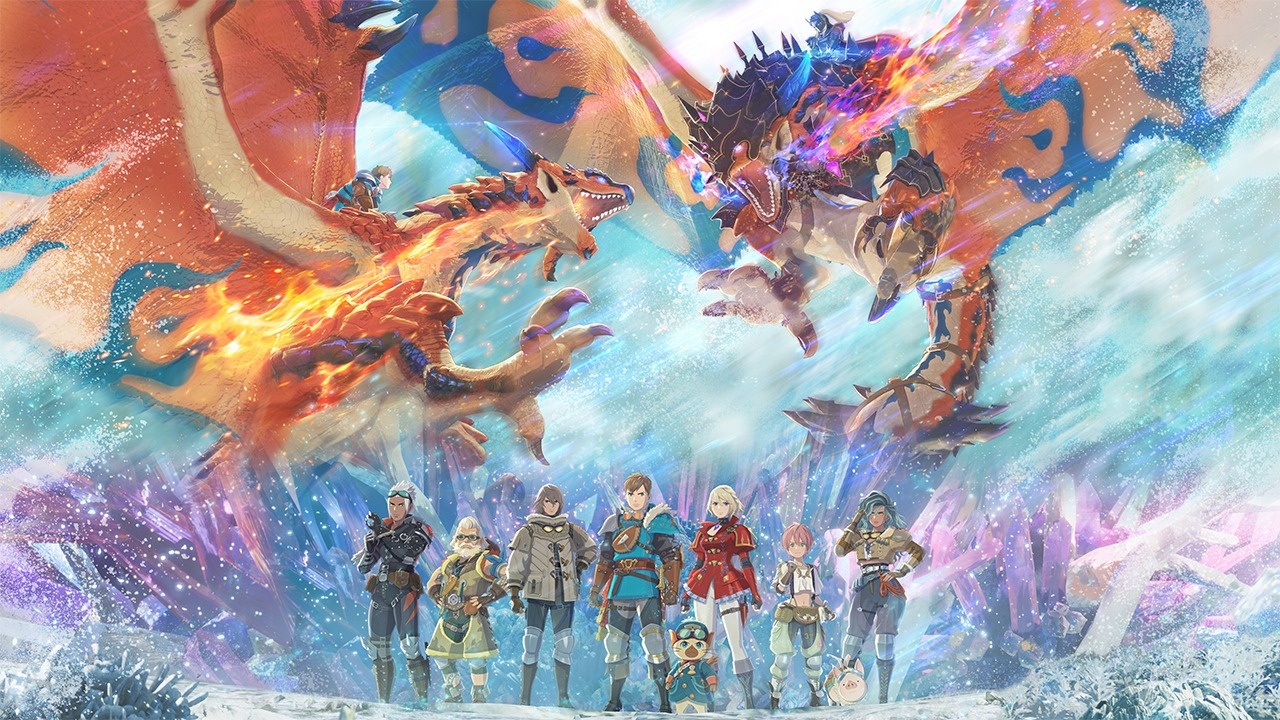
Stories 3 centers on the kingdoms of Azuria and Vermeil, two nations on the brink of war as a mysterious Crystal Encroachment ravages the land and drives monsters toward extinction. At the heart of the story is a pair of rare twin Rathalos, whose birth echoes a catastrophe from two centuries prior. The protagonist — a prince or princess of Azuria, and the newly appointed captain of its Rangers — must navigate war, environmental collapse, and the complex relationship between humans who hunt monsters and humans who bond with them.
That last element is where the game finds its emotional core, and it is the same place all the great games in this genre find theirs. The monster is not an obstacle. The monster is the relationship.
Why the Monster-Companion Formula Keeps Working
Pokémon understood this in 1996. Digimon built an entire emotional identity around it — your partner does not just level up, it evolves into something that reflects your bond, and sometimes it dies. Ni no Kuni weaponized it with Studio Ghibli visuals and a story about a boy grieving his mother. Monster Hunter Stories has been doing it since 2016, albeit more quietly than its action-focused mainline sibling.
What Stories 3 does better than its predecessors is commit to the emotional register fully. The game tells a story that, as RPGFan described it, “veers into mature, bittersweet territory” — and it earns those moments by building genuine attachment to supporting characters, to the world’s ecosystem, and yes, to the Monsties players hatch and raise from stolen eggs. The invasive monster system, where players can restore damaged habitats to allow rare species to return, is not just a gameplay loop. It is the game’s central thesis: coexistence requires effort and care, and the world is better when humans choose to nurture rather than simply conquer.
That message resonates precisely because it mirrors the emotional logic that the best shonen and seinen anime have been exploring for decades. The relationship between humans and monsters in Stories 3 maps cleanly onto the relationship between humans and nature, between legacy and consequence, between what we inherit and what we choose. These are not surface-level themes. They are why players invest sixty hours into a world instead of ten.
The JRPG as the Spiritual Home of Anime Storytelling
Pure action games — even masterfully crafted ones like Resident Evil Requiem or Crimson Desert — operate on a different emotional frequency. They create tension, spectacle, and catharsis. But the JRPG, especially one built around the monster-companion framework, creates something closer to what a great anime series does: it makes you care about characters over time, through accumulation rather than shock.
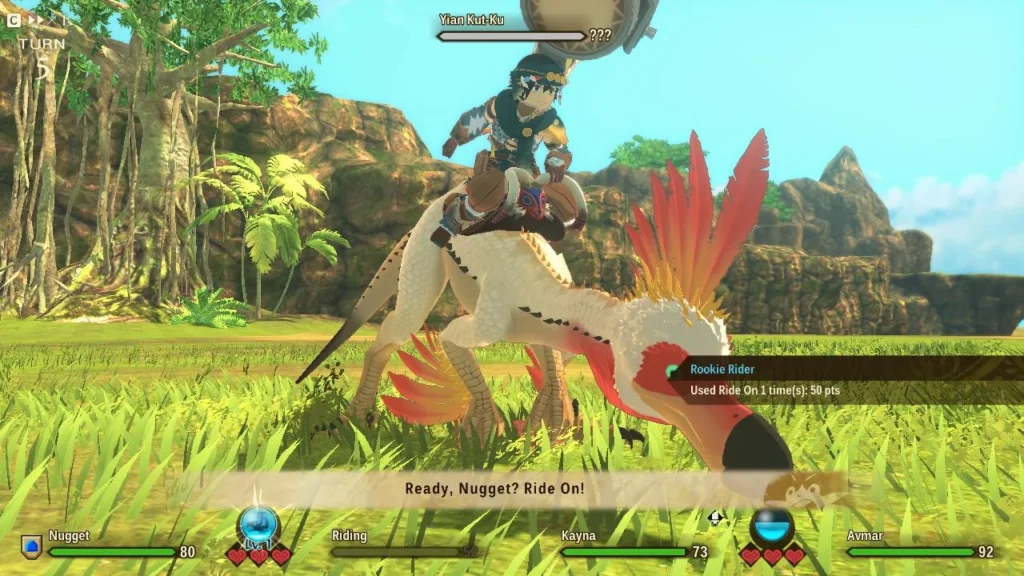
This is not a knock on action games. It is simply an acknowledgment that the geek community holds space for multiple emotional registers simultaneously — and that the JRPG formula, the one that gave us party members we still think about years later, has never lost its power. Stories 3 is proof that when the formula is executed with confidence and genuine care, it still produces something genuinely moving.
There is a moment late in Twisted Reflection — no spoilers here — where the game brings together everything it has been building: the lore, the bonds, the environmental stakes, the complicated relationship between two kingdoms that needed each other all along. Multiple reviewers described the third act as explosive and unforgettable. On Steam, players wrote about finishing it at midnight and sitting with it for a while before going to sleep.
A game that can do that in 2026, surrounded by technical spectacle and open-world ambition from every direction, is not just a good game. It is a reminder of why so many of us fell in love with games in the first place — because sometimes a dragon and a kid who chose to ride it instead of hunt it can tell you something true.