For years, manga has been associated with long-running epics, massive chapter counts, and storylines that can take decades to conclude. While those series still have a devoted fanbase, a noticeable shift is happening among younger readers. Short-form manga is exploding in popularity, offering compact stories that deliver impact without demanding years of commitment. This change isn’t random. It reflects how younger audiences read, discover, and connect with stories today.
What Counts as Short-Form Manga?
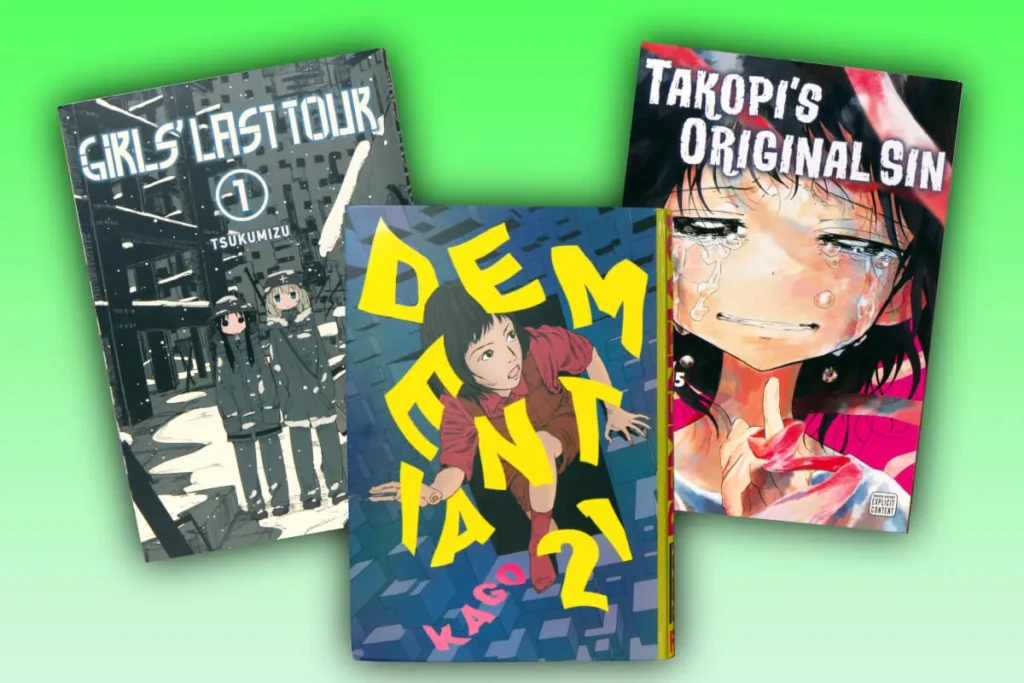
Short-form manga typically refers to series that run anywhere from a single chapter to a few volumes, often under 30 chapters total. Some are self-contained one-shots, while others are concise serialized stories with a clear beginning, middle, and end.
Unlike traditional long-running manga, these stories are designed to be consumed quickly, sometimes in one sitting. That doesn’t mean they lack depth. In many cases, creators focus on sharp themes, strong character moments, and memorable endings rather than long-term plot sprawl.
Short Attention Spans or Smarter Storytelling?
It’s easy to blame shorter formats on shrinking attention spans, but the reality is more nuanced. Younger readers are surrounded by content competing for their time: social media, streaming platforms, games, and endless online distractions. Short-form manga fits naturally into this ecosystem.
Instead of asking readers to invest hundreds of chapters before things “get good,” short manga often gets straight to the point. The pacing is faster, the stakes are clear early on, and the payoff arrives quickly. For many readers, that feels refreshing rather than limiting.
Digital Platforms Changed Everything
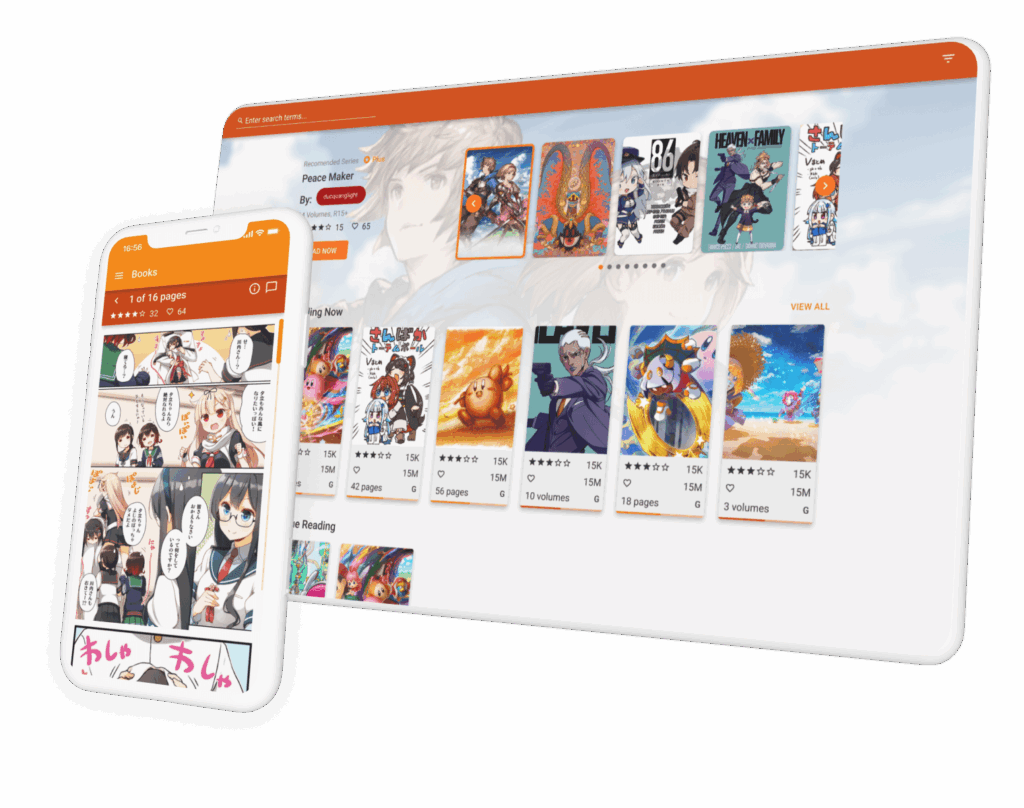
One of the biggest drivers behind the rise of short-form manga is digital distribution. Mobile-friendly platforms and web-based manga services have made it easier than ever to discover new series. Algorithms favor quick engagement, and shorter stories are easier to sample without commitment.
Younger readers are more likely to click on a story if they know it won’t take months to finish. A short manga can go viral based on a single powerful chapter, striking art style, or emotional twist. Once shared, it spreads fast.
Lower Commitment, Higher Emotional Impact
Short-form manga often thrives on emotional intensity. With limited space, creators focus on moments that matter. There’s less filler, fewer side arcs, and almost no room for dragging plotlines.
This leads to stories that hit hard and linger longer than expected. Readers may finish a series quickly, but the themes, characters, or final twist stick with them. In some cases, shorter manga spark more discussion than long-running series simply because everyone reaches the ending at the same time.
A Playground for Creative Risks
For manga creators, short-form storytelling offers freedom. Artists and writers can experiment with unusual art styles, unconventional narratives, or niche themes without the pressure of maintaining a multi-year serialization.
This format is especially attractive to newer creators looking to make a name for themselves. A strong short manga can serve as a portfolio piece, a proof of concept, or even a gateway to larger projects. Readers benefit from this creative energy, discovering ideas that might never survive in a traditional long-running format.
Perfect for Binge Culture
Younger audiences are deeply familiar with binge culture, whether it’s streaming a season in one weekend or finishing a game over a few long sessions. Short-form manga fits perfectly into this behavior.
Being able to read an entire story in one night is satisfying. There’s no waiting for weekly updates, no fear of hiatuses, and no anxiety about whether the ending will ever arrive. For readers who have been burned by unfinished series before, this reliability is a big selling point.
Social Media Loves Short Stories
Short manga thrives on social platforms. A single panel, quote, or dramatic scene can be shared instantly, pulling in readers who might never have searched for manga otherwise.
Creators and publishers often design short-form series with visual impact in mind, knowing that strong imagery helps visibility online. This feedback loop boosts popularity and encourages more creators to explore shorter formats.
What This Means for the Future of Manga
The rise of short-form manga doesn’t signal the death of long-running series. Instead, it shows that the medium is evolving. Manga is becoming more flexible, offering stories of different lengths for different lifestyles.
For younger readers, short-form manga provides accessibility, variety, and creative freshness. For the industry, it opens doors to new talent, new platforms, and new ways of telling stories.
Final Thoughts
Short-form manga is booming because it understands its audience. It respects their time, delivers strong storytelling, and adapts to modern reading habits without sacrificing creativity. Whether it’s a single emotional punch or a tightly written mini-series, these compact stories prove that sometimes less really is more.