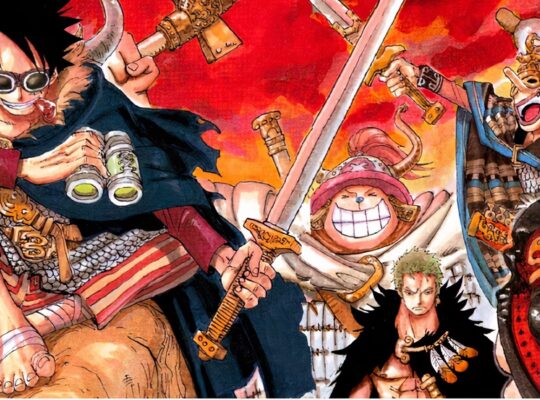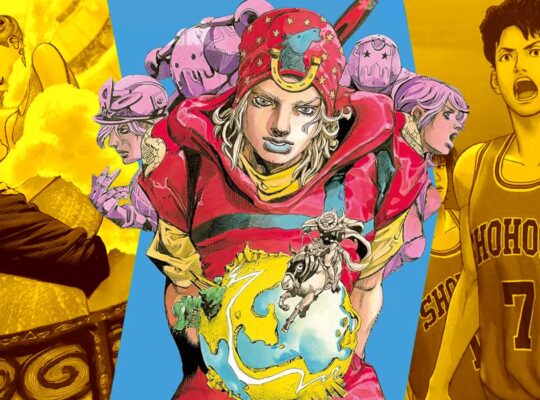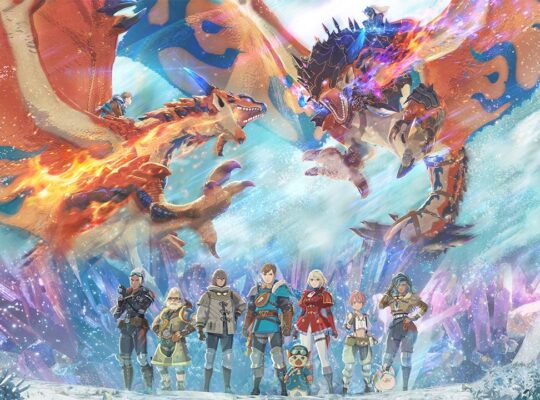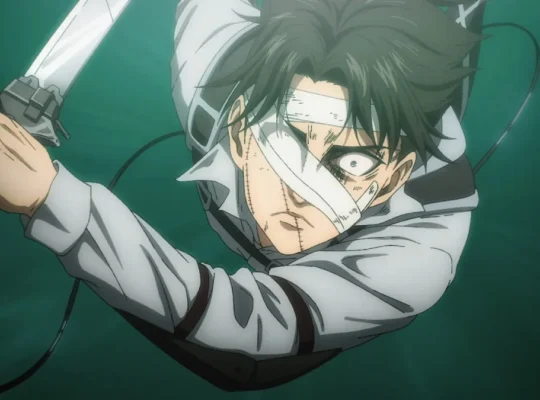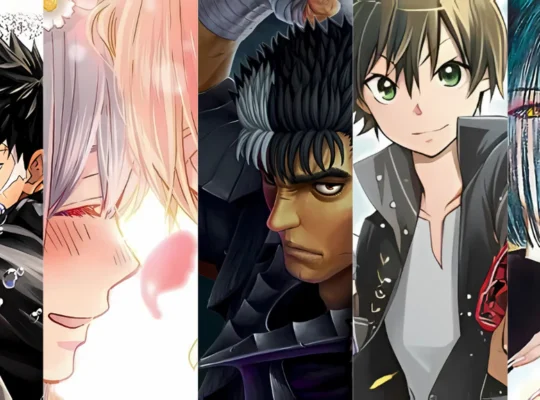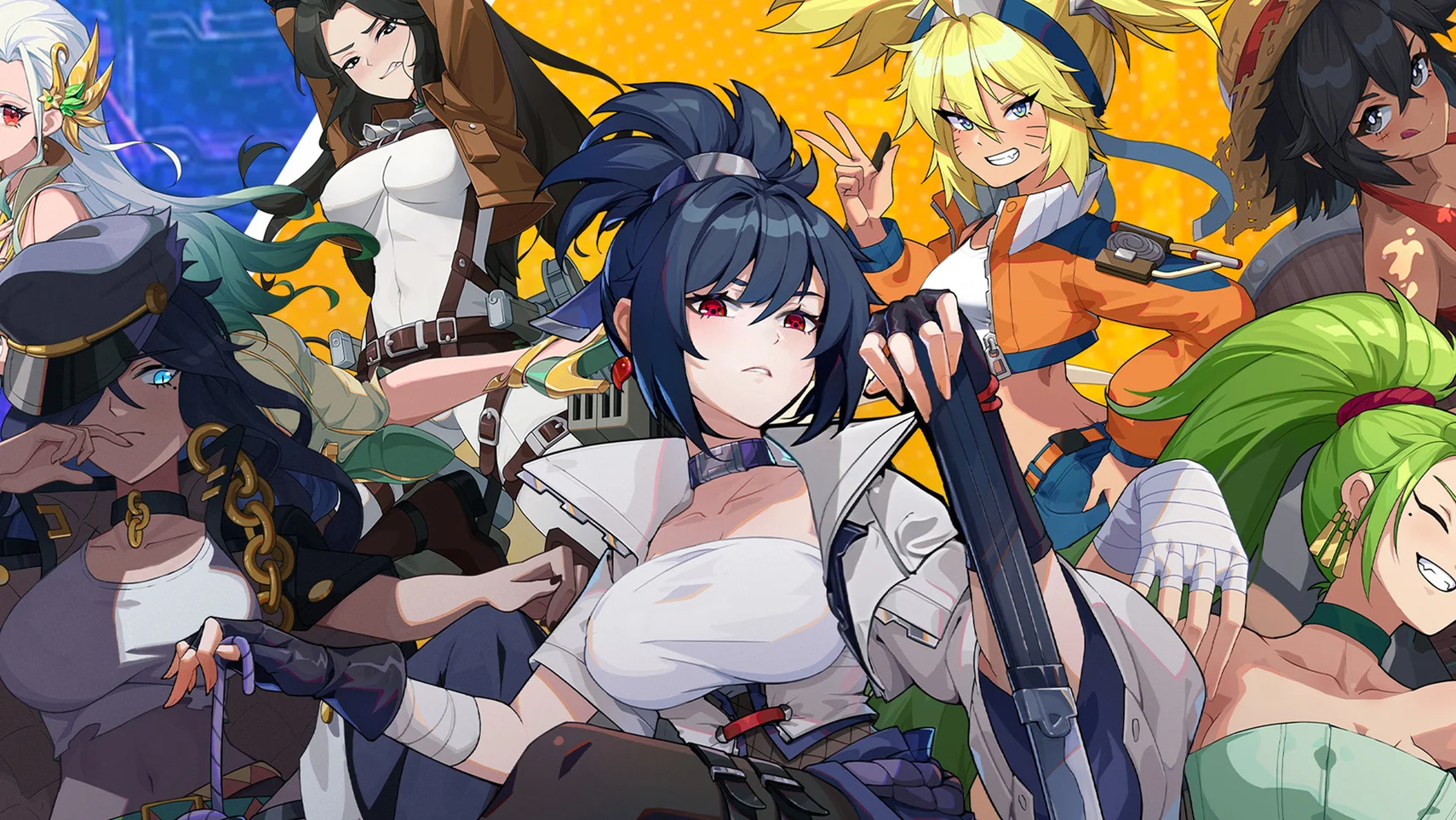
For a long time, geek culture had a bit of an image problem. The stereotype was painfully specific: a teenage boy, a dark room, a glowing screen. Girls and women who loved anime, manga, or video games? They existed, of course — they just weren’t always made to feel like they belonged. Fast forward to today, and that outdated picture has been completely shattered. Women are not just participating in geek culture. They’re leading it.
Where It All Started: The “Invisible Fan”
Women have been part of geek fandom since the very beginning — they were just conveniently ignored by the industry for decades.
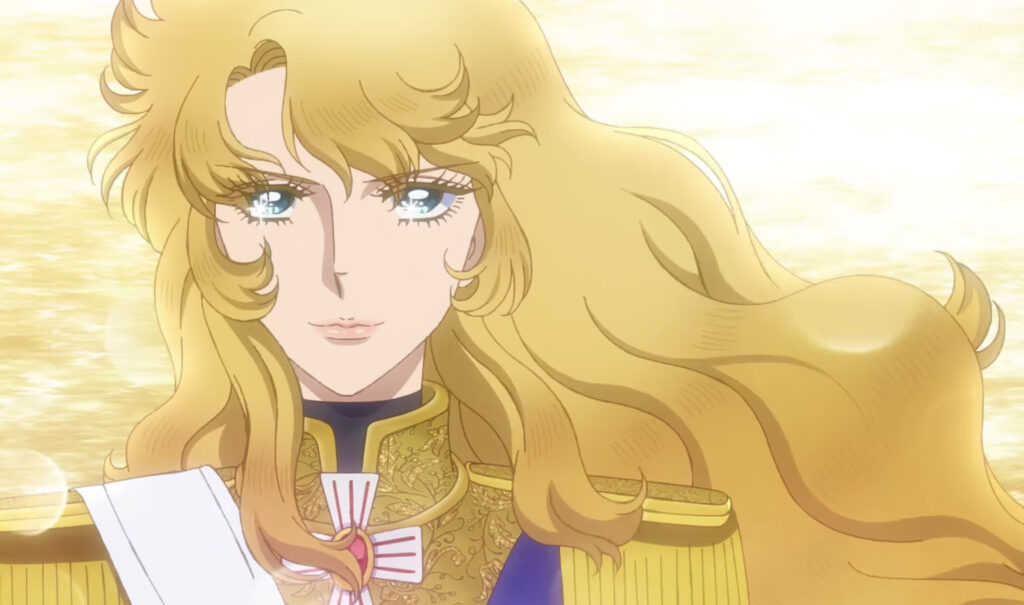
In Japan, female manga readers were a powerful force as early as the 1970s. The Year 24 Group — a collective of women manga artists like Riyoko Ikeda (The Rose of Versailles) and Moto Hagio — revolutionized the medium with emotionally complex, beautifully drawn stories that had nothing to do with the “boys’ action comic” mold. They didn’t ask for a seat at the table. They built their own table, and shojo and josei manga became massive genres that endure to this day.
In gaming, women made up a huge portion of early arcade and casual game audiences. And yet, for years, marketing departments acted as if they simply didn’t exist, plastering ads with “this is for boys” energy from the 1990s all the way into the 2000s.
The Present: She’s Not a “Fake Fan”
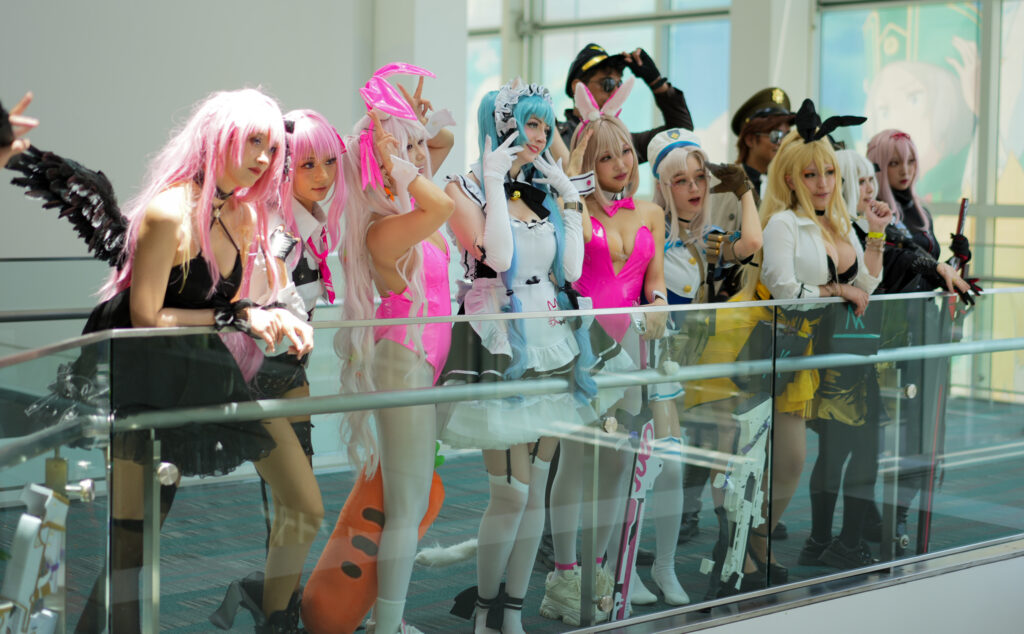
Here’s where things get exciting. Today, women make up nearly half of all gamers worldwide. Anime fandoms skew heavily female in many genres — just look at the passionate communities around Haikyuu!!, Genshin Impact, or Jujutsu Kaisen. The notion of a “fake geek girl” — that exhausting gatekeeping trend of the 2010s — has largely been dragged into the trash where it belongs.
Women as Creators
The pipeline of female creators in geek industries has never been stronger:
- Manga: Artists like Rumiko Takahashi (Inuyasha, Ranma ½) remain legends, while newer names like Gege Akutami and Tatsuki Fujimoto have inspired a new generation of female creators entering the industry.
- Game development: Studios like those behind Celeste and A Short Hike feature prominent women on their core teams, and the indie scene is thriving with female-led projects.
- Streaming & content creation: Female streamers, YouTubers, and cosplay creators have built massive audiences — often with absolutely zero help from the traditional gatekeepers.
Women as Community Leaders
Fan communities have always run on volunteer labor and passionate organizing — and women have been doing the heavy lifting for a long time. From running fan conventions and fan-fiction archives (shoutout to the entire history of AO3, which was largely built and is still run by women) to organizing charity streams and local anime clubs, female fans are the backbone of a huge amount of geek community infrastructure.
The Future: More Stories, More Seats
The next decade looks genuinely promising. More publishers are actively commissioning female creators. Game studios — slowly, sometimes frustratingly slowly — are broadening their hiring. Anime studios are beginning to explore stories centered on women that go far beyond the “cute girl side character” trope.
Most importantly, younger fans are growing up in a geek culture where seeing women at the top — as artists, as developers, as esports athletes, as critics — is just… normal. That normalization might be the most powerful shift of all.
What Still Needs Work
Let’s keep it real: harassment in online gaming spaces remains a genuine problem. Female creators still face disproportionate toxicity. Pay gaps exist in the games industry. Representation in certain genres (ahem, certain types of fighting games) can still feel like it was designed by someone who has never met a woman.
Progress is real. But the work isn’t finished.
Final Save Point
Women in geek culture were never a new phenomenon — they were just an underestimated one. Today, they’re shaping the stories being told, the games being made, and the communities being built. If you’re a woman reading this who loves anime, manga, or games: you were never a guest here. You were always part of the foundation.
And to anyone who still wants to question whether women are “real fans”?
Skill issue.