
There was a time — not even that long ago — when the nickname “Crapcom” circulated freely across gaming forums. Beloved franchises were stumbling. Mega Man projects were getting canceled mid-announcement. Resident Evil had lost the plot so badly that it was unclear whether the series could ever recover. Fans of the studio that gave the world Street Fighter, Devil May Cry, and Monster Hunter were genuinely worried.
Fast forward to April 2026, and Capcom has not just recovered. It is arguably producing the best work in its entire history — and doing it at a pace that seems almost unreasonable.
Three Major Releases. Three Critical Hits. Less Than Two Months.
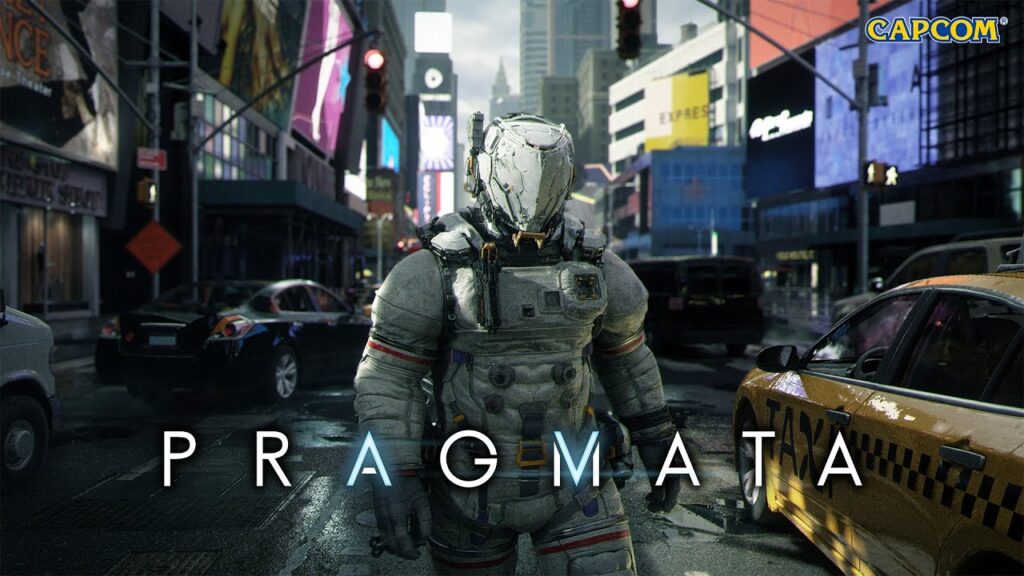
Let’s just put the numbers on the table. In February 2026, Capcom released Resident Evil Requiem to rave reviews, earning an 89 on Metacritic — one of the highest scores in the entire Resident Evil series and one of the best-reviewed games of the year so far. In March, Monster Hunter Stories 3: Twisted Reflection arrived to similarly strong praise, landing at an 85 on Metacritic. Then, in April, Pragmata — a completely original IP, six years in the making — dropped with an 86 on Metacritic and an 87 on OpenCritic, accompanied by a staggering 97% positive rating on Steam in English.
Three of the highest-rated games of 2026 are from the same studio. Released within weeks of each other. None of them are the same genre.
That is not a hot streak. That is something else entirely.
How Did Capcom Get Here?
The Resident Evil Renaissance
The turning point, most agree, was Resident Evil 7: Biohazard in 2017. After the bloated, action-focused missteps of Resident Evil 5 and 6, Capcom made the brave decision to strip the series back to its horror roots, shift to first-person perspective, and essentially reintroduce the franchise to the world. It worked spectacularly. The series then pivoted into a remake era — Resident Evil 2, 3, and 4 — that not only revived classic games but in the case of RE4 Remake, produced what many consider one of the best games ever made.
Resident Evil Requiem continues that momentum, taking the series in yet another new direction while maintaining the tension and craft that fans have come to expect. The result is a game with the second-highest user score on all of Metacritic — a 9.4, sitting just behind last year’s Game of the Year, Clair Obscur: Expedition 33. That is a fanbase that feels genuinely respected.
The RE Engine: Capcom’s Secret Weapon
A major part of the story is technical. Capcom’s proprietary RE Engine, originally built for Resident Evil 7, has quietly become one of the most versatile and powerful game engines in the industry. It powers not just the Resident Evil series but also Devil May Cry 5, Monster Hunter Rise, Street Fighter 6, Dragon’s Dogma 2 — and now Pragmata, which uses the engine’s path-tracing capabilities to deliver what critics have called genuinely cinematic visuals on high-end PC hardware.
Having a proprietary engine that the entire studio knows inside and out gives Capcom a consistency and efficiency that most publishers can only dream of. Less time fighting the tools means more time making the game actually good.
Taking Risks on New Ideas
Perhaps the most impressive thing about Capcom’s current run is that it is not playing it safe. Resident Evil Requiem pushed the series into new narrative territory. Monster Hunter Stories 3 is a niche RPG spin-off that could have easily been ignored by mainstream audiences. And Pragmata is a completely original IP — a brand-new world, new characters, and a dual-character combat system that has no real precedent — released in an industry that increasingly tells studios that only sequels and remakes are commercially viable.
Pragmata sold over one million copies in its first two days. For a new IP from a single-player game with no live service component, that is a significant statement.
What Comes Next
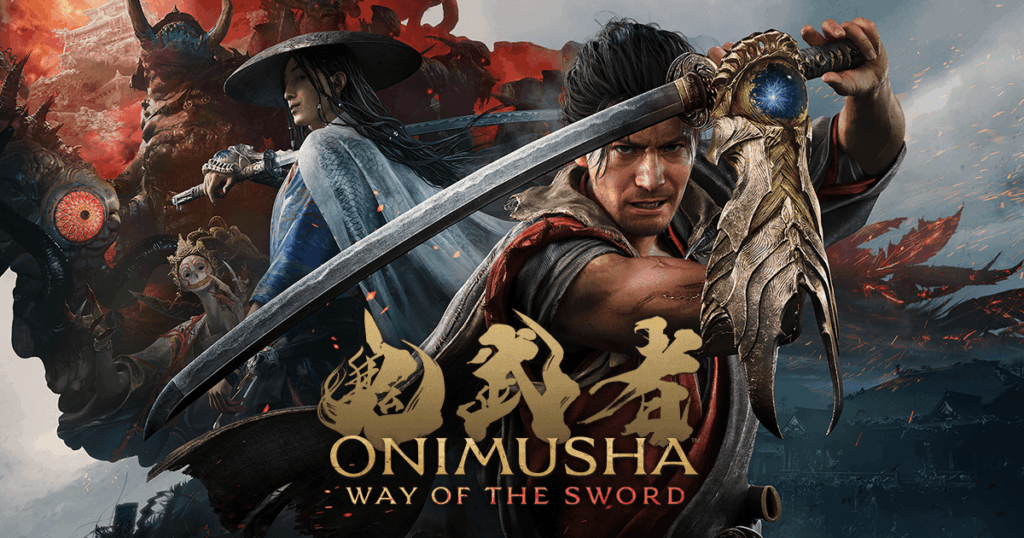
Capcom is not done with 2026. Onimusha: Way of the Sword — a reboot of the long-dormant samurai action series — is still on the horizon, with a release expected later this year. If the studio’s current form holds, it has a genuine chance of becoming Capcom’s fourth major critical success of the same calendar year.
Looking further ahead, leaks and rumors point to Resident Evil Code: Veronica receiving the remake treatment in 2027, with Resident Evil Zero potentially following in 2028. A new Mega Man is also reportedly in the works.
The Comeback Story of a Generation
Gaming has no shortage of studios that burned brightly and faded. Capcom’s story is rarer: a studio that hit rock bottom, diagnosed its own problems honestly, rebuilt its technology and its creative culture, and came out the other side making better games than it ever had before.
“Crapcom” is a nickname that belongs to a different era. Right now, in 2026, the studio from Osaka is simply the best in the business — and they are showing absolutely no signs of slowing down.