There’s a running joke in manga and anime communities that goes something like this: if a character gets hit by a truck in chapter one, congratulations — they’re about to become the most overpowered hero in a fantasy kingdom. Welcome to isekai, the genre where dying is just the beginning, reincarnation is a career move, and apparently, public transportation is the leading cause of supernatural adventure.
But behind the memes and the mountain of light novel covers featuring sword-wielding protagonists with mysteriously glowing eyes, something genuinely fascinating is happening. Isekai — a Japanese term that literally means “another world” — has gone from a niche storytelling device to one of the most dominant forces in modern manga, anime, and geek culture at large. So why? Why are millions of readers and viewers so obsessed with stories about being yanked out of everyday life and dropped into a world of magic, monsters, and suspiciously convenient skill sets?
The Fantasy of the Fresh Start
At its core, isekai taps into one of humanity’s oldest and most universal desires: the wish to start over. Not just to fix a mistake, but to be dropped somewhere completely new — with no baggage, no awkward history, and ideally, a very detailed status screen showing all your newly acquired powers.
The genre almost always follows the same emotional blueprint. The protagonist is ordinary, often lonely or overlooked, sometimes deeply unhappy. Then something extraordinary happens — death, summoning, a magical portal — and suddenly they matter. Their unique knowledge from the “real world” becomes a superpower. They are chosen, needed, celebrated.
That’s not accidental wish fulfillment. That’s a precise emotional formula that speaks directly to readers who feel invisible or stuck. In a world where social pressure, career anxiety, and the general exhaustion of modern life are near-universal experiences — especially in Japan, where karoshi (death from overwork) is a recognized social phenomenon — the fantasy of escaping into a world where you get to be the hero resonates on a very real level.
How Did We Get Here? A Brief History of the Boom
Isekai as a concept isn’t new. Classic works like Inuyasha and The Vision of Escaflowne from the 90s were already sending characters through magical portals. But the genre truly exploded in the 2010s, largely thanks to the rise of online publishing platforms like Shōsetsuka ni Narō (“Let’s Become a Novelist”), a Japanese self-publishing site where amateur authors could upload stories directly to readers.
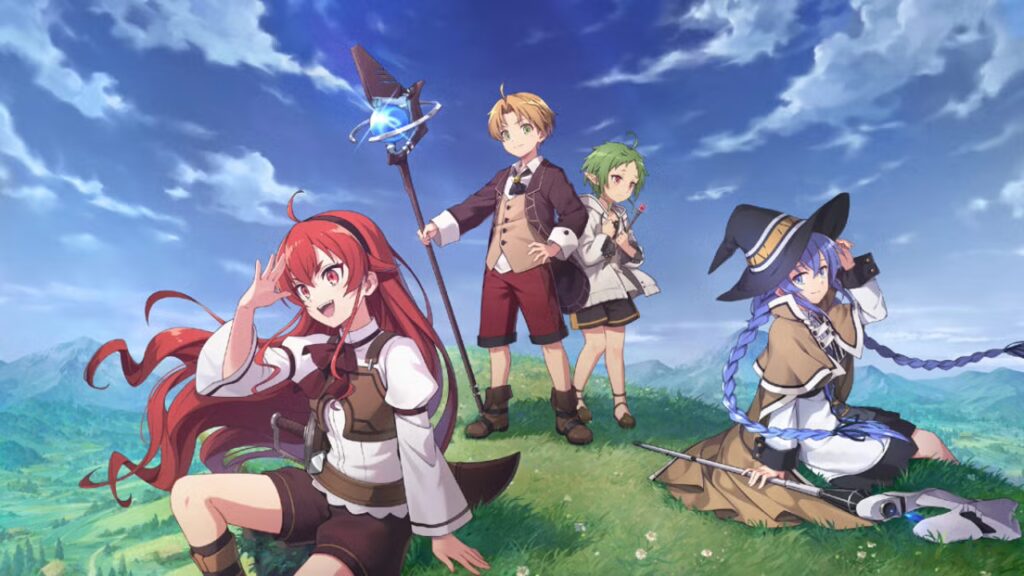
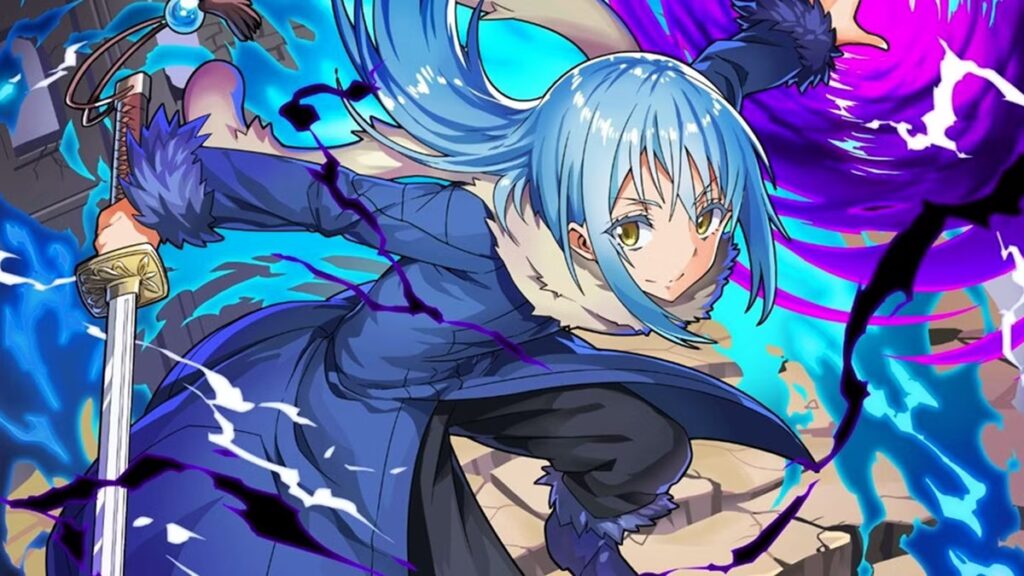
The platform became a breeding ground for isekai stories, and the feedback loop was fast and powerful. Authors could see in real time what tropes readers loved, and they doubled down on them. Readers wanted more overpowered protagonists, more detailed game-like mechanics (think status screens and skill levels), more romantic sub-plots in magical settings — and they got it, in volume. Many of today’s biggest isekai titles, including That Time I Got Reincarnated as a Slime and Mushoku Tensei, started as web novels on exactly this kind of platform before being picked up for manga and anime adaptations.
Why “OP” Protagonists Hit Different
One of the most criticized — and most loved — tropes in isekai is the overpowered (OP) protagonist. These are characters who, often within the first few chapters, become almost unstoppably strong. Critics call it lazy writing. Fans call it deeply satisfying.
And honestly? Both sides have a point.
The Psychology of Power Fantasy
There’s a reason sports games let you build a dream team and RPGs let you grind until you’re unkillable. Power fantasy is cathartic. When real life feels like a game set permanently to hard mode, watching a protagonist absolutely steamroll every obstacle — and do it with style — delivers a very specific kind of emotional release.
Isekai takes this further by making the power earned through identity. The protagonist isn’t strong because they trained for years. They’re strong because of who they are — their modern knowledge, their creativity, their perseverance. It’s personal. It tells the reader: your perspective, your experiences, the things that make you you — those things have value, even if the world around you doesn’t always see it.
The Genre Keeps Evolving
The smartest thing about isekai as a genre is that it hasn’t stayed still. What began as fairly straightforward power fantasy has started to interrogate itself. Titles like Re:Zero and Goblin Slayer introduced brutal consequences and genuine trauma into the formula, asking what it would actually feel like to be thrown into a violent fantasy world without a safety net. Ascendance of a Bookworm flipped the power dynamic entirely, centering a protagonist whose only superpower is her love of reading and her determination to make paper in a world that doesn’t have enough of it.
Even the truck meme has been weaponized ironically, with series openly acknowledging and poking fun at their own genre conventions. Isekai has become self-aware, and that meta-quality keeps it fresh for readers who’ve already seen every variation of the original formula.
So, Are We Ever Going to Stop?
Almost certainly not — and that’s fine. Every generation has its escapist genre of choice. Isekai just happens to be the one that looks our particular anxieties directly in the eye and says: what if, instead of all of this, you got a magic sword and a loyal party of friends?
It’s not deep philosophy. But it doesn’t need to be. Sometimes the most powerful stories are the ones that simply understand what you wish for — and hand it to you, one chapter at a time.