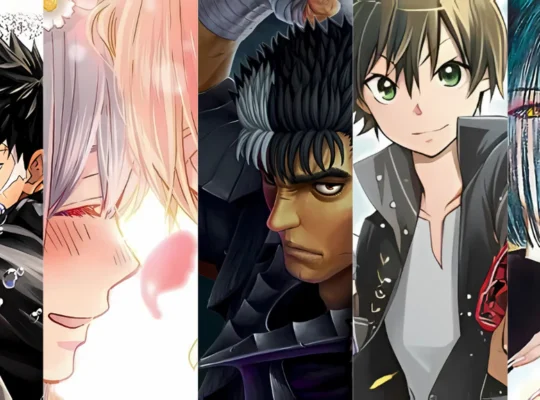
At some point — quietly, then all at once — the bad guys stopped being the obstacle and became the reason to watch. You know exactly what we’re talking about. The moment you finished a brutal fight scene and realized you were, against all logic and better judgment, rooting for the antagonist. The moment a villain delivered a monologue so well-written that your favorite hero suddenly felt a little underdeveloped by comparison. The moment you made fan edits of someone who has done genuinely terrible things set to a lo-fi playlist.
Anime has always had memorable villains. But something shifted in the last decade. Modern antagonists aren’t just threatening — they’re fascinating, philosophically rich, and often more emotionally complex than the protagonists they’re tormenting. We have officially entered the Villain Era, and honestly? It’s one of the best things to happen to the medium.
What Makes a Great Anime Villain in 2026?
The old formula was simple enough: give the villain a tragic backstory, make them powerful, have them monologue about the weakness of humanity, and let the hero defeat them with the power of friendship. It worked. It still works, sometimes. But audiences have grown more demanding, and writers have risen to meet them.
The modern anime villain tends to check very different boxes. They have coherent worldviews — often uncomfortably coherent ones. They make choices that feel inevitable given who they are, not just convenient for the plot. And crucially, they force the protagonist to actually reckon with something, rather than just punch harder until the problem goes away.
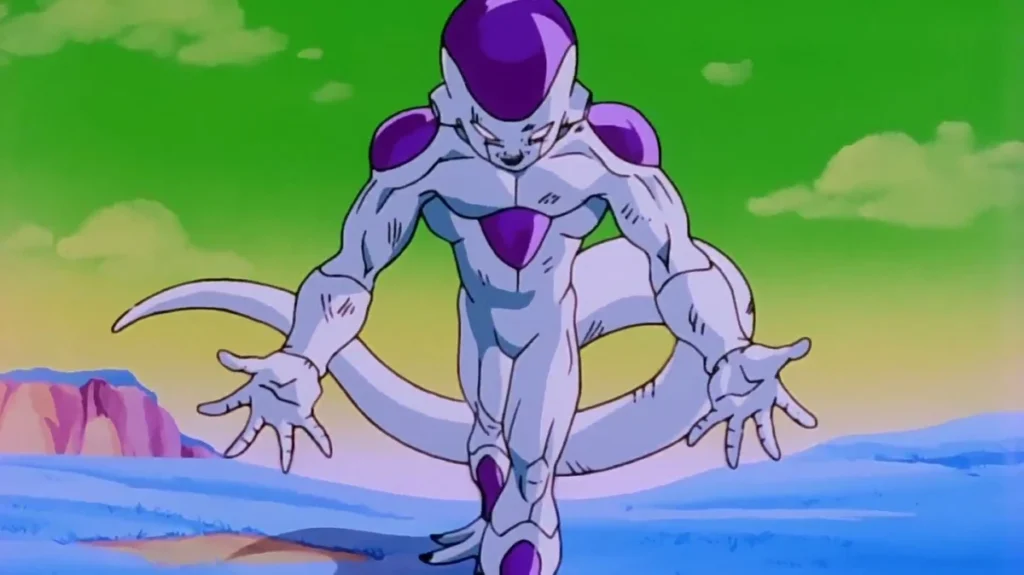
The Case Files: Three Villains Who Changed the Game
Griffith — The Dream That Became a Nightmare
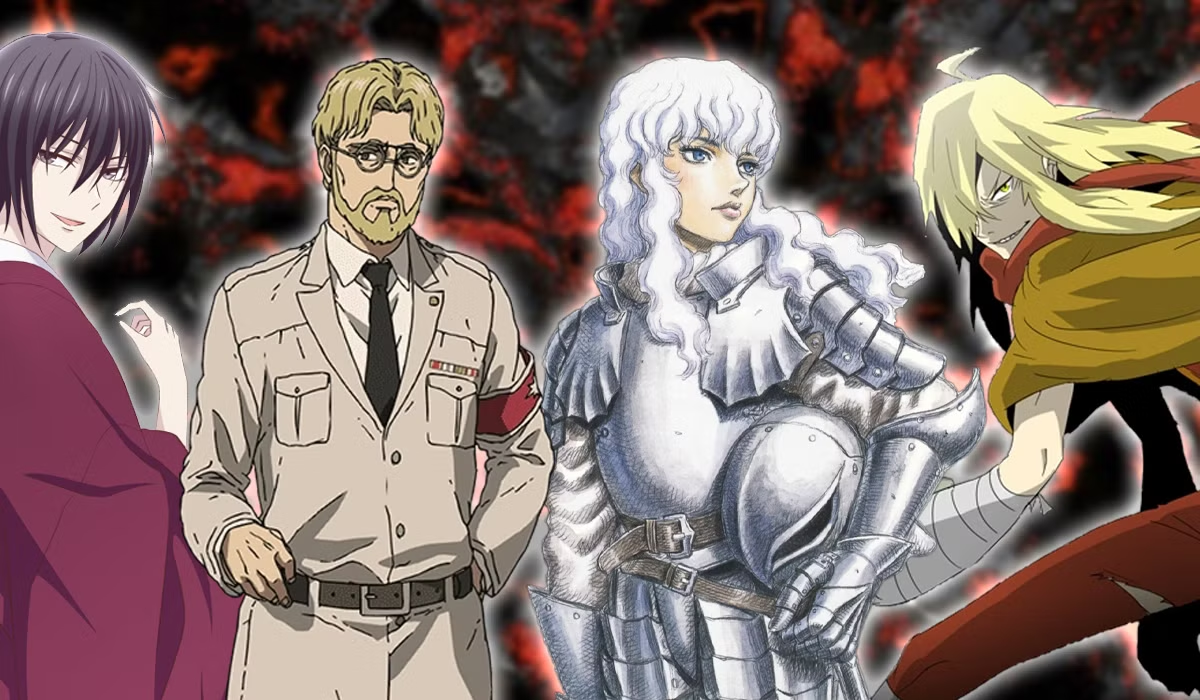
Few characters in anime history have executed a fall from grace as devastating as Griffith from Berserk. He begins the story as a charismatic, almost mythological figure — a man so driven by his dream of ruling a kingdom that you believe, early on, that he might actually deserve it. The tragedy is in watching that dream curdle. His betrayal of the Band of the Hawk during the Eclipse isn’t presented as a twist reveal of hidden evil. It’s the logical, horrifying conclusion of a man who always valued his ambition above everything else, including the people who loved him.
Griffith works because Kentaro Miura made you love him first. That’s the cruelest trick in storytelling, and Berserkexecutes it perfectly.
Doflamingo — Theater Kid Turned Warlord
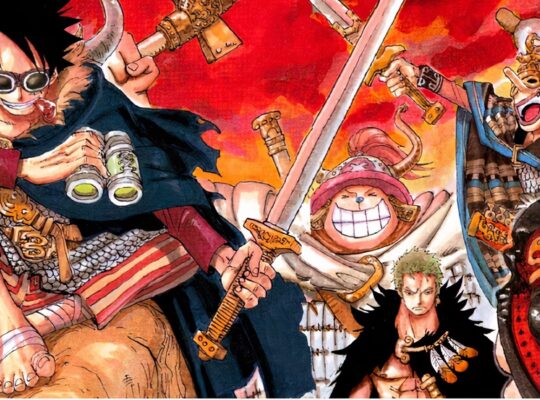
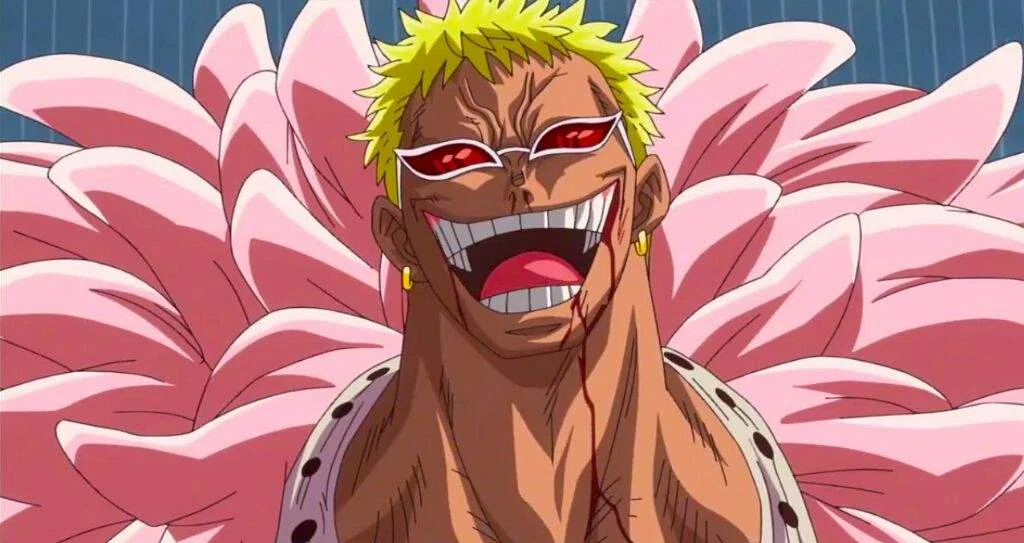
Donquixote Doflamingo from One Piece is a different kind of masterpiece. Where Griffith is tragedy, Doflamingo is spectacle. He wears his villainy like a feather boa — loudly, theatrically, with absolute commitment. His arc in Dressrosa is one of the best extended villain showcases in shonen history, layering genuine horror (an entire kingdom enslaved, a man who killed his own father) under a surface of camp and charisma so thick that it almost tricks you into enjoying his company.
His backstory reframes him without excusing him, which is exactly the right balance. You understand him. You don’t forgive him. That tension is where great villains live.
Mahito — Evil With No Excuses
And then there’s Mahito from Jujutsu Kaisen, who represents a third and arguably bolder approach: a villain with no redemption arc waiting in the wings, no tragic childhood to soften the edges, no moment where you’re meant to feel sorry for him. Mahito is a Cursed Spirit who finds genuine joy in the suffering and deformation of human beings. He is, philosophically, a direct challenge to the series’ protagonist — and he exists to break things, including Yuji Itadori in ways the story doesn’t quickly fix.
Mahito is proof that not every great villain needs your sympathy. Sometimes the most powerful thing a character can do is simply be wrong, completely and cheerfully, and make the hero pay a real price for it.
Why Heroes Are Struggling to Keep Up
Here’s the uncomfortable truth that the Villain Era has quietly exposed: protagonist writing in mainstream anime has a formula problem. The chosen one who grows stronger through willpower and bonds, who never truly loses what matters most, who will always find a way — it’s a reliable template, but it’s also a predictable one. When your villain is operating on a completely different level of narrative complexity, the contrast becomes hard to ignore.
This isn’t a knock on every shonen protagonist. Characters like Guts, Thorfinn from Vinland Saga, or Gojo Satoru (who blurs the hero/villain line deliberately) show what’s possible when writers push against the formula. But for every Guts, there are ten protagonists who exist primarily as a vehicle for power-ups, while the villain in the same series walks away with every scene they’re in.
The Villain Era Is Actually Good for Anime
The silver lining — and it’s a big one — is that the rise of the compelling antagonist has raised the bar for everything around them. When your villain is that well-written, your plot needs to be tight enough to do them justice. Your hero needs genuine stakes and genuine losses. Your supporting cast needs depth so the villain’s impact actually lands.
The Villain Era isn’t a sign that anime has given up on heroes. It’s a sign that anime has gotten serious about storytelling. And if the price of that is occasionally finding yourself making a Pinterest board for a war criminal from a fantasy manga — well. Here we are. No regrets.